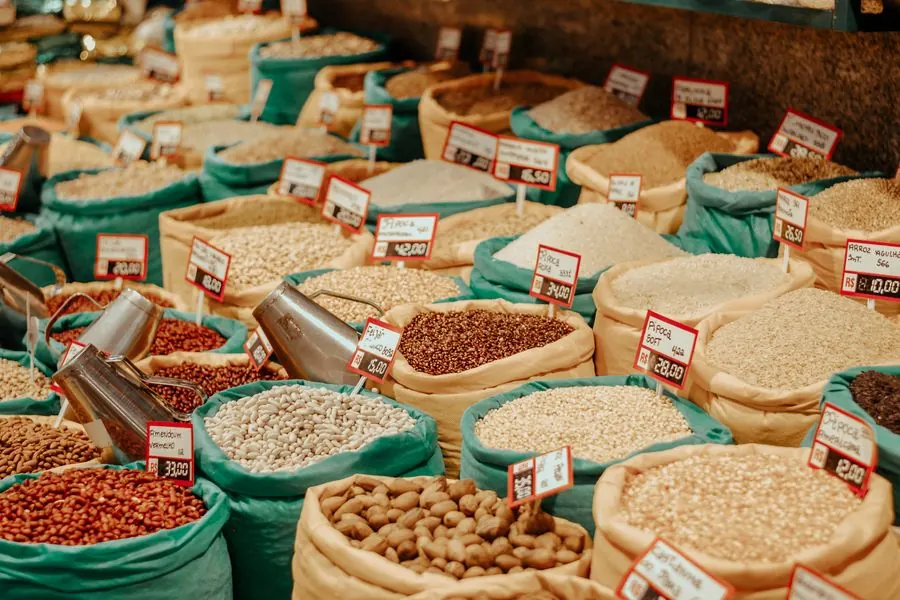
Bulk Buying and Storing Staple Foods for Institutions
Schools, hospitals, canteens, training centres and humanitarian programmes in South Kivu often need to buy staple foods in large quantities. Done well, bulk purchasing can improve consistency and simplify logistics. Done badly, it leads to spoilage, waste and health risks. The advice below is general and should be adapted to your setting and to any food safety rules that apply.
Plan quantities realistically
Start with the number of people you feed, the number of meals and the planned ration or portion. Convert this into a monthly requirement for each item. Buy only what you can store safely and use within a reasonable time. Over-ordering ties up money and increases the risk of loss.
- Number of beneficiaries and feeding days
- Planned menu or ration for each item
- Available storage space and conditions
- Frequency of deliveries that suits your cash flow
Common staple categories
Needs vary, but institutions in the region commonly buy items from several groups. Confirm what suits your menu and the preferences of the people you serve.
- Cereals and flours
- Beans and other pulses
- Cooking oil, salt and sugar
- Tea, coffee and other basic provisions
- Non-food items used with meals, such as cleaning and kitchen supplies
Inspect quality at delivery
Check every delivery before you accept it. Look at packaging condition, labelling, weight and any dates shown on the product. Smell and visual checks can reveal damp, pests or mould. Reject or set aside anything that does not meet your standard and record the reason. Where food safety or labelling rules apply, check current requirements with the relevant authority.
Store food safely
Good storage protects both your investment and the health of those you feed. Use a clean, dry, well-ventilated store with a solid floor. Stack bags on pallets or racks rather than directly on the ground, and keep them away from walls. Store food separately from fuel, chemicals and cleaning products.
- Keep the store clean and sealed against rodents and insects
- Use first in, first out so older stock is used first
- Record every item received and issued
- Inspect stock regularly for damp, pests and damage
Keep records and review
A simple stock register shows what you have, what you use and when to reorder. Review it monthly, compare consumption with your plan, and adjust the next order accordingly. These records also help with audits and donor reports.
Think about preparation and serving too. Clean water, safe cooking fuel, utensils and handwashing points all affect the quality of the food you serve, so include them in your planning.
Talk to your cooks and storekeepers before finalising an order. They know which items are used fastest and where problems usually arise.
Friendship Co. supplies food and non-food items from Bukavu to institutions, NGOs, businesses and households. Send us your list of requirements and request a quotation.
Need a quotation? Talk to our team in Bukavu.