Hygiene and First-Aid Kits for Clinics and Schools
Every clinic, school and workplace should be ready for minor injuries and basic hygiene needs. In Bukavu and across South Kivu, where access to a pharmacy or health centre may take time, a well-organised kit can make a real difference. This article offers general planning advice. It is not medical guidance, so consult a qualified health professional for the contents appropriate to your setting.
Decide who the kit is for
Think about the people on your site: children, adult staff, patients or visitors. Consider the risks of the activities carried out there, such as kitchens, workshops, sports or travel. A kit for a primary school will differ from one for a construction site or a clinic waiting room.
Core first-aid items
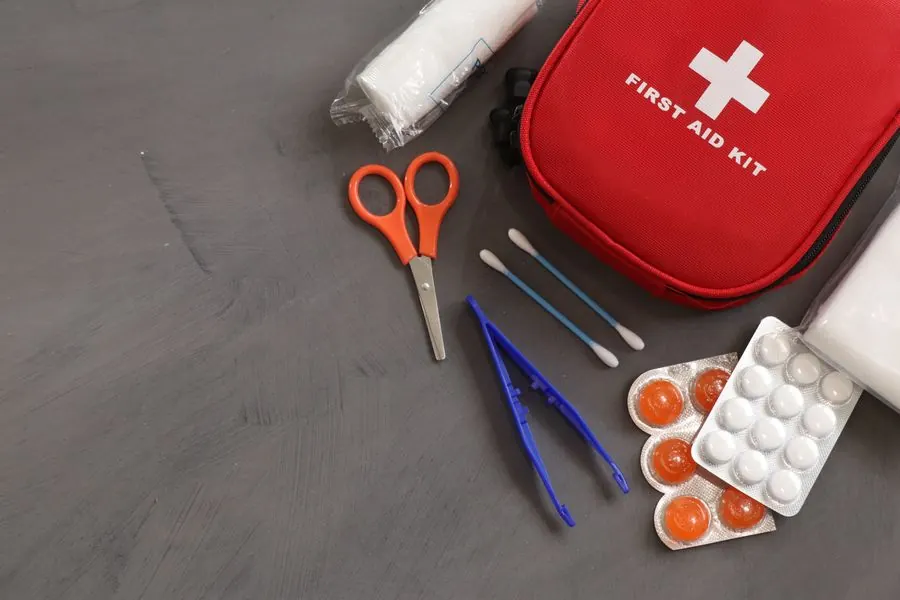
Typical kits contain basic wound care and protection items. Ask a nurse, doctor or trained first-aider to review your list before you buy.
- Adhesive plasters and sterile dressings of several sizes
- Bandages and medical tape
- Antiseptic wipes or solution
- Disposable gloves and face masks
- Scissors, tweezers and safety pins
- Instant cold packs and a thermometer
- A first-aid guide and emergency contact list
Hygiene and sanitary essentials
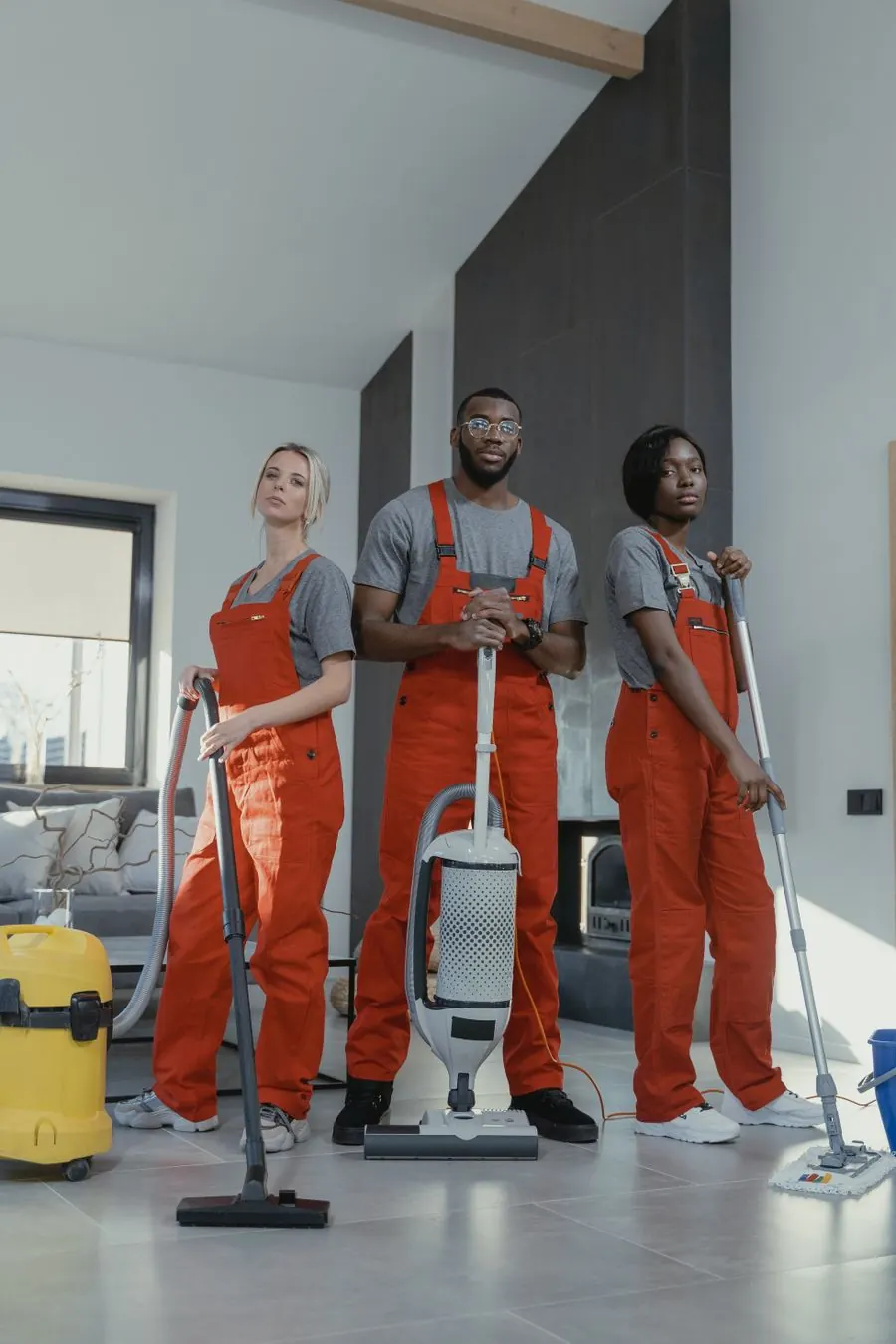
Hygiene supplies support daily health as much as emergency response. Think about what is needed for handwashing, cleaning and personal care, and make sure supplies are easy to refill.
- Soap and hand sanitiser
- Disinfectants and cleaning cloths
- Sanitary and personal hygiene items
- Waste bags and covered bins
- Clean water containers
Store the kit properly
Keep the kit in a clearly marked, easy-to-reach location, away from heat, damp and direct sunlight. Make sure everyone knows where it is. Do not lock it away where nobody can reach it in an emergency, but keep medicines out of the reach of children.
Assign responsibility and train people
Name a person responsible for checking the kit and replacing used items. Where possible, arrange basic first-aid training with a qualified provider. A kit is only useful if people know how to use what is inside.
Inspect and restock regularly
Set a routine, for example monthly, to check quantities and condition. Look at expiry dates on any product that carries one, and remove items that are damaged or out of date. Keep a simple log of what was used and replaced. For medicines or regulated medical products, check current requirements with the relevant authority.
Think about transport and field activities too. A small portable kit for vehicles and outreach teams in South Kivu can be just as valuable as the main kit on site.
Finally, review your kit whenever your activities change. A new workshop, a larger class or a longer journey may call for different items and larger quantities.
Friendship Co. in Bukavu supplies medical and sanitary kits, medical supplies and cleaning products for clinics, schools, NGOs and workplaces. Share your list and request a quotation.
Need a quotation? Talk to our team in Bukavu.